

Have you noticed that a family member has started having trouble speaking, walking, or remembering things after a stroke or accident? Or perhaps you yourself are experiencing difficulties you didn’t have before? These changes can be signs of neurological damage, and although they are frightening, there is good news: with proper rehabilitation, it is possible to regain many of the lost abilities.
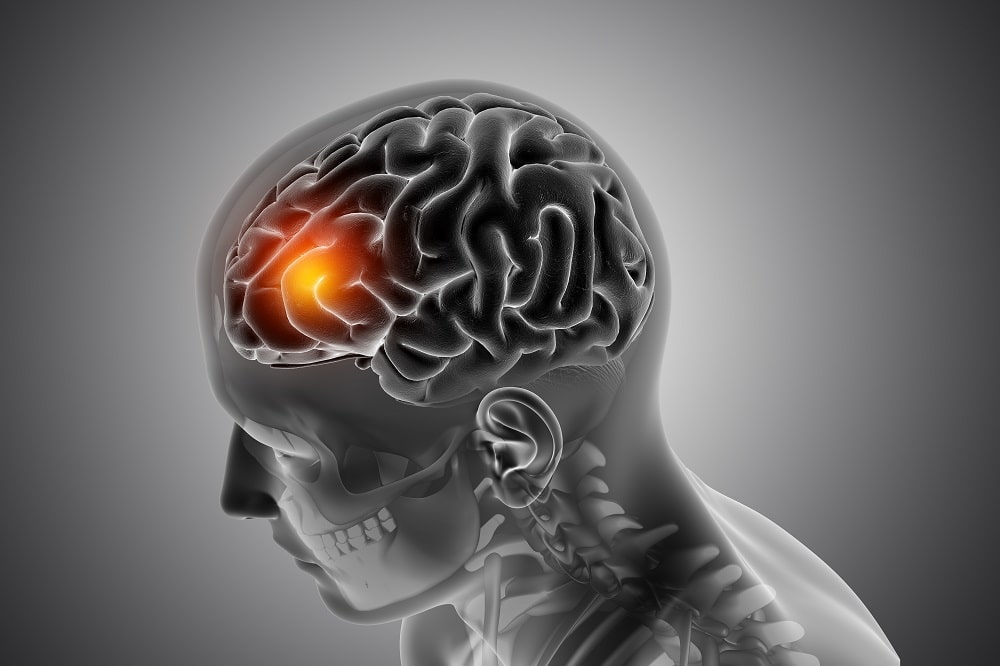
Neurological damage occurs when the brain, spinal cord, or nerves suffer an injury that impairs their normal function. This injury can occur after a stroke, a head injury, a degenerative disease such as Parkinson’s , or even due to a lack of oxygen to the brain.
Symptoms vary depending on the affected area, but the most common include muscle weakness, balance problems, slurred speech, memory loss, and changes in sensation . The good news is that the brain has an incredible capacity called neuroplasticity: it can create new connections and regain lost functions with the right treatment.
Neurological rehabilitation is the most effective way to regain these abilities. Through personalized therapies that include physical therapy, occupational therapy, speech therapy, and advanced technology, patients can significantly improve their independence and quality of life. The earlier treatment begins, the better the results.
What exactly is neurological damage?
Imagine your brain as a power plant that sends signals throughout your body to function properly. Neurological damage is like a short circuit in that plant: the signals don’t reach their intended destinations correctly, or they don’t reach them at all.
This damage can affect different parts of the nervous system:
- The brain : controls your thoughts, movements, memory, and emotions
- The spinal cord : it’s like a highway that connects the brain to the rest of the body
- Peripheral nerves : carry commands from the brain to the muscles and bring information back
When any of these parts is injured, the symptoms that worry you so much appear.
Main causes of neurological damage
Neurological damage doesn’t appear out of nowhere. These are the most frequent causes we see in our clinic:
Stroke or cerebrovascular accident : occurs when blood flow to the brain is interrupted, either by a clot or bleeding. It is one of the most common causes of neurological damage in adults.
Traumatic brain injuries : strong blows to the head from traffic accidents, falls or sports injuries can damage brain tissue.
Neurodegenerative diseases : conditions such as Parkinson’s, Alzheimer’s, or multiple sclerosis progressively deteriorate the nervous system.
Brain tumors : can put pressure on areas of the brain and alter its function.
Infections : such as meningitis or encephalitis, which inflame the brain or the membranes that protect it.
Lack of oxygen : situations such as cardiac arrest or drowning can deprive the brain of the oxygen it needs to function.
Symptoms of neurological damage that you shouldn’t ignore
The symptoms of neurological damage can appear suddenly or develop gradually. Recognizing them early is crucial to starting treatment as soon as possible.
Motor symptoms (related to movement)
- Weakness or paralysis on one side of the body (hemiplegia)
- Difficulty walking or maintaining balance
- Involuntary movements or tremors
- Muscle stiffness
- Coordination problems
- Difficulty performing precise movements such as buttoning buttons
Cognitive symptoms (related to thinking)
- Memory loss or difficulty remembering recent things
- Trouble concentrating or paying attention
- Difficulty making decisions
- Confusion or disorientation
- Changes in the ability to plan or solve problems
Symptoms of language and communication
- Difficulty speaking or finding the right words (aphasia)
- Trouble understanding what others are saying
- Difficulty reading or writing
- Changes in tone or rhythm of speech
Sensory symptoms
- Loss of sensitivity to touch, pain, or temperature
- Tingling or a “pinching” sensation
- Vision problems
- Difficulty swallowing (dysphagia)
Emotional and behavioral symptoms
- Sudden mood swings
- Depression or anxiety
- Irritability
- Apathy or lack of motivation
- Changes in personality
If you or someone close to you experiences any of these symptoms, especially if they appear suddenly, it is important to seek medical attention immediately.
How does neurological damage rehabilitation work?
Here’s the hopeful part: the brain has an amazing capacity to adapt and recover, which we call neuroplasticity. This means that, with the right stimulation and training, it can create new neural connections and regain functions that seemed lost.
Neurological rehabilitation takes advantage of this capacity of the brain through different therapies:
Neurological physiotherapy
It focuses on restoring movement, strength, and balance. Physical therapists use specific exercises to help you walk again, improve your posture, and regain independence in your daily activities.
Occupational therapy
It helps you regain the ability to perform everyday activities such as dressing, cooking, working, or using devices. The goal is for you to regain your independence and be able to do the things that matter to you again.
Speech therapy
Essential if you have speech, language, or swallowing difficulties. Speech therapists work to help you regain your ability to communicate and eat safely.
Neuropsychology
It addresses the cognitive and emotional aspects of neurological damage, helping you to regain memory, attention, and manage emotional changes.
Advanced technology
At Rehabot, we use cutting-edge technology such as rehabilitation robots, virtual reality, and brain stimulation to enhance your recovery. These tools make therapy more effective and motivating.
Why is it so important to start rehabilitation as soon as possible?
Time is a crucial factor in the recovery from neurological damage. The first few months after the injury are a window of opportunity where the brain is more receptive to creating new connections. This doesn’t mean that improvement is impossible later on, but it does mean that progress is usually faster and more significant when treatment begins early.
In addition, starting rehabilitation early helps to:
- Prevent complications such as muscle stiffness, contractures, or pressure ulcers
- Maintain mobility and prevent muscles from weakening due to lack of use
- Improve mood and reduce the risk of depression
- Accelerate the overall recovery process
Your recovery starts today.
Neurological damage can seem like an insurmountable mountain, but you don’t have to do it alone. Every day that passes without rehabilitation is a missed opportunity for improvement, but every day you work on your recovery is a step closer to reclaiming your life.
At Rehabot , our neurorehabilitation clinic in Malaga , we have a multidisciplinary team of specialists and the most advanced technology to design a personalized rehabilitation plan for you. We understand what you’re going through and know exactly how to help you.
Are you ready to take the first step toward your recovery? Contact us today and discover how we can help you regain your independence and quality of life. Your brain has the capacity to heal; it just needs the right guidance.
Call or write to us to schedule your first consultation . Your new chapter begins now.
Leave us your data to start your treatment