

A stroke in children , also called a pediatric stroke , occurs when blood flow to a part of a child’s brain is suddenly interrupted. Just as in adults, this can happen for two reasons: a blockage (ischemic stroke) or a rupture of a blood vessel (hemorrhagic stroke).
Unlike in adults, where the most common cause is arteriosclerosis or hypertension, in children the causes are much more varied and include vascular malformations, blood diseases and congenital heart disease, among others.
Can a child suffer a stroke?
When we hear the word stroke, we automatically think of older people. However, stroke also affects children and babies, and is one of the leading causes of death and neurological disability in childhood. In fact, in Spain it is estimated that between 2 and 13 out of every 100,000 children suffer a stroke each year.
Childhood stroke differs from adult stroke: the causes are different, the symptoms can be more difficult to recognize, and treatment requires a specialized approach. But there is good news: a child’s brain has extraordinary neuroplasticity, which facilitates a much greater recovery than in adults.
| Key facts about childhood stroke in Spain • Affects between 2 and 13 children per 100,000 per year • Is more common in children under 2 years old and in the neonatal period • 25% of children who suffer a stroke die; 50% are left with lasting effects • Early rehabilitation significantly improves the prognosis • Childhood neuroplasticity promotes greater recovery than in adults |
Stroke symptoms in children
Recognizing the symptoms of childhood stroke is urgent, as every minute that passes without treatment means the loss of millions of neurons. The problem is that in children, especially younger ones, the symptoms can be different from those in adults and more difficult to identify.
In older children (from 5-6 years old) the same criteria as in adults can be applied, using the acronym RAPID:
- R (Face): drooping on one side of the face or facial asymmetry
- Á (Ángulos): weakness or inability to raise an arm
- P (Word): difficulty speaking or understanding language
- I (Unusual): sudden and severe headache
- D (Visual impairment): blurred vision or loss of vision in one eye
- O (Guidance): Call 112 immediately
In babies and young children, the symptoms may be more subtle:
- Sudden onset seizures, especially on one side of the body
- Inconsolable crying accompanied by difficulty moving one side of the body
- Sudden problems sucking or swallowing
- Extreme drowsiness or loss of consciousness
- Altered vision or abnormal eye movements
Most frequent causes of stroke in children
Unlike in adults, where stroke is usually related to cardiovascular risk factors, in children the causes are very different. The most common are:
Congenital heart disease
Heart defects are one of the most common causes of ischemic stroke in children. A heart that doesn’t function properly can produce clots that travel to the brain and block an artery.
Hematological diseases
Sickle cell anemia is the single most common cause of stroke in children in some populations. The deformed red blood cells block blood vessels in the brain. Other conditions, such as inherited thrombophilias, also increase the risk.
Cerebral vascular malformations
Arteriovenous malformations (AVMs), aneurysms, and moyamoya disease are abnormalities in the blood vessels of the brain that can cause both ischemic and hemorrhagic stroke.
Infections
Some serious infections such as meningitis, encephalitis, or chickenpox can inflame blood vessels in the brain and trigger a stroke in previously healthy children.
Diagnosis of childhood stroke
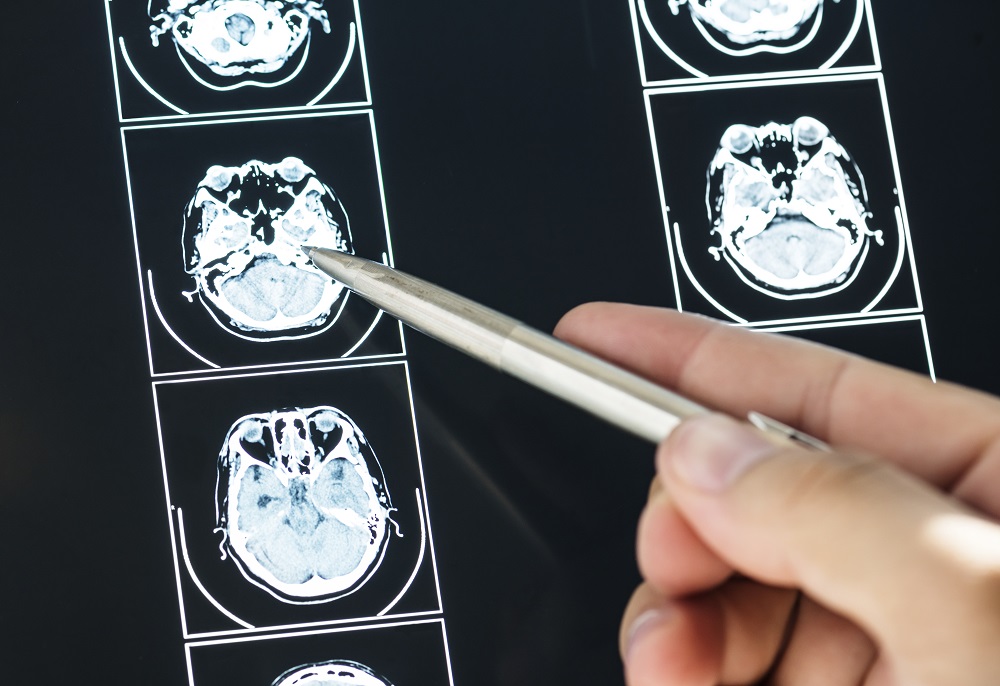
If a stroke is suspected in a child, action must be immediate: call 112. In the emergency room, doctors will perform neuroimaging tests such as magnetic resonance imaging (MRI) or computed tomography (CT) to confirm the diagnosis, determine the type of stroke and locate the affected area of the brain.
Treatment and rehabilitation of childhood stroke
Acute treatment will depend on the type of stroke and its underlying cause. But just as important as initial treatment is subsequent neurological rehabilitation , which should begin as soon as possible to take advantage of the neuroplasticity window of the infant brain.
At Rehabot, we work with a multidisciplinary team specializing in pediatric neurorehabilitation, which includes neurological physiotherapy, occupational therapy, speech therapy, and cognitive rehabilitation, all adapted to the child’s age and specific needs.