


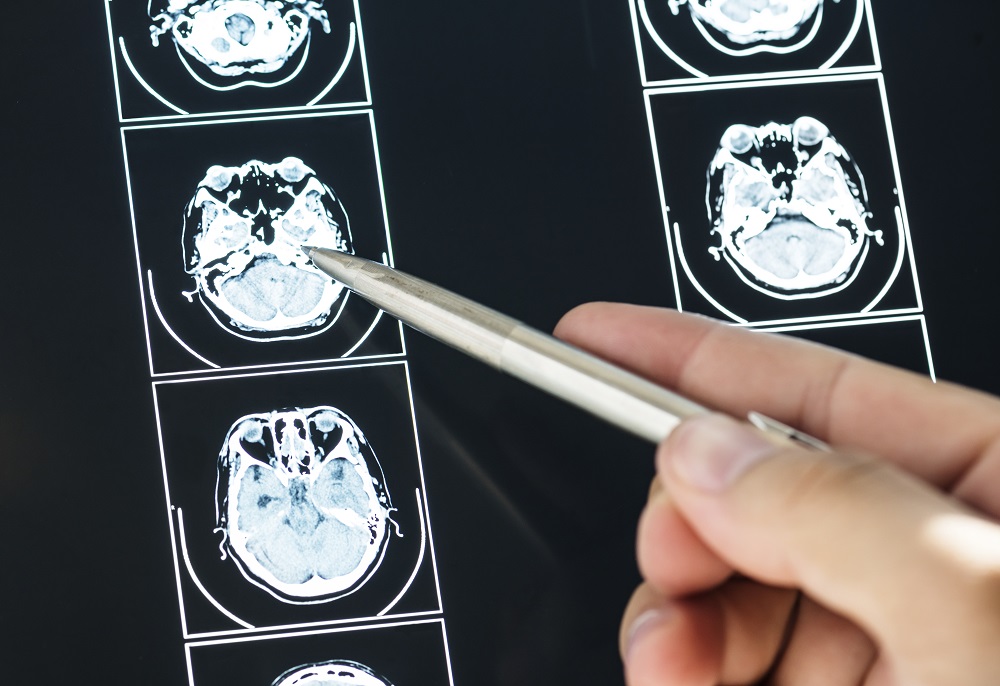
Neonatal stroke is perhaps the least known of all stroke types, but it is also one of the most common: it occurs in approximately 1 in every 2,300-5,000 live births, making it a major cause of neurological disability in childhood.
It is defined as a stroke that occurs between 28 weeks of gestation and the first 28 days of the baby’s life. It can occur before delivery, during labor, or in the first few days after birth.
Types of neonatal stroke
Neonatal ischemic stroke
The most common type. It occurs when a cerebral artery is blocked by a clot, depriving part of the brain of blood and oxygen. The area supplied by the left middle cerebral artery is most frequently affected.
Neonatal hemorrhagic stroke
It occurs when there is bleeding in the baby’s brain. It can be intraparenchymal (within the brain tissue), intraventricular (within the brain’s ventricles, more common in premature infants), or subdural.
Venous stroke or venous sinus thrombosis
It occurs when the venous sinuses of the brain become blocked. It is more common in the neonatal period than at any other stage of life and can be difficult to diagnose.
Why does neonatal stroke occur?
The causes of neonatal stroke are multiple, and in many cases a single cause is not identified. The most frequent factors include:
- Problems in the placenta (placental thrombosis) that generate clots that reach the baby
- Congenital heart disease
- Maternal or neonatal infections (sepsis, meningitis)
- Blood clotting disorders in the mother or baby (thrombophilias)
- Complications of childbirth (fetal distress, hypoxia)
- Severe dehydration of the newborn
- Neonatal polycythemia (excess of red blood cells that thickens the blood)
Stroke symptoms in newborns
The symptoms of neonatal stroke are subtle and easily confused with other conditions, which often leads to delayed diagnosis. The most common signs are:
- Focal seizures: the most frequent symptom. The baby makes rhythmic and repetitive movements with an arm, a leg, or the face.
- Changes in muscle tone: one side of the body is more flaccid or more rigid than the other
- Feeding difficulties: weak sucking or inability to coordinate sucking and swallowing
- Repeated apneas with no apparent cause
- Altered state of consciousness: the baby is excessively sleepy or, on the contrary, very irritable
- Abnormal eye movements or a fixed gaze
| Important: Many neonatal strokes are diagnosed late • Up to 40% of ischemic neonatal strokes are not diagnosed in the acute phase • Diagnosis can be delayed for weeks or months, when the baby fails to meet motor milestones • Parents often notice that the baby uses one side of the body less than the other • If you suspect a stroke, consult a pediatric neurologist immediately |
Diagnosis of neonatal stroke
Diagnosis is made using neuroimaging, with magnetic resonance imaging (MRI) being the preferred technique. MRI can detect ischemic stroke within the first few hours and provides detailed information about the extent and location of the damage. Transfontanellar ultrasound is useful as an initial bedside test.
Sequelae of neonatal stroke
The consequences of neonatal stroke depend primarily on the location and extent of brain damage. The most frequent are:
- Cerebral palsy (hemiplegia): motor impairment of one side of the body, which becomes evident in the first months of life when the baby does not meet motor milestones
- Epilepsy: between 20-40% of children with neonatal stroke develop epilepsy
- Language disorders: difficulties in acquiring speech or language delays
- Learning and cognitive difficulties: attention, memory, executive functions
- Visual disturbances: due to impairment of the cerebral visual pathways
Rehabilitation after neonatal stroke: start as soon as possible
The neuroplasticity of a newborn’s brain is extraordinarily high. This means that if rehabilitation begins early and intensively, the baby’s brain can reorganize itself and partially compensate for the damaged areas.
Pediatric neurological physiotherapy, occupational therapy, and early intervention are the cornerstones of rehabilitation for these babies. The goal is to support the child through all developmental milestones: head and trunk control, crawling, standing, walking, and language development.
At Rehabot, we have experience in caring for babies and children with neonatal stroke. Our team, specializing in pediatric neurological conditions, works closely with families from the first months of life.