


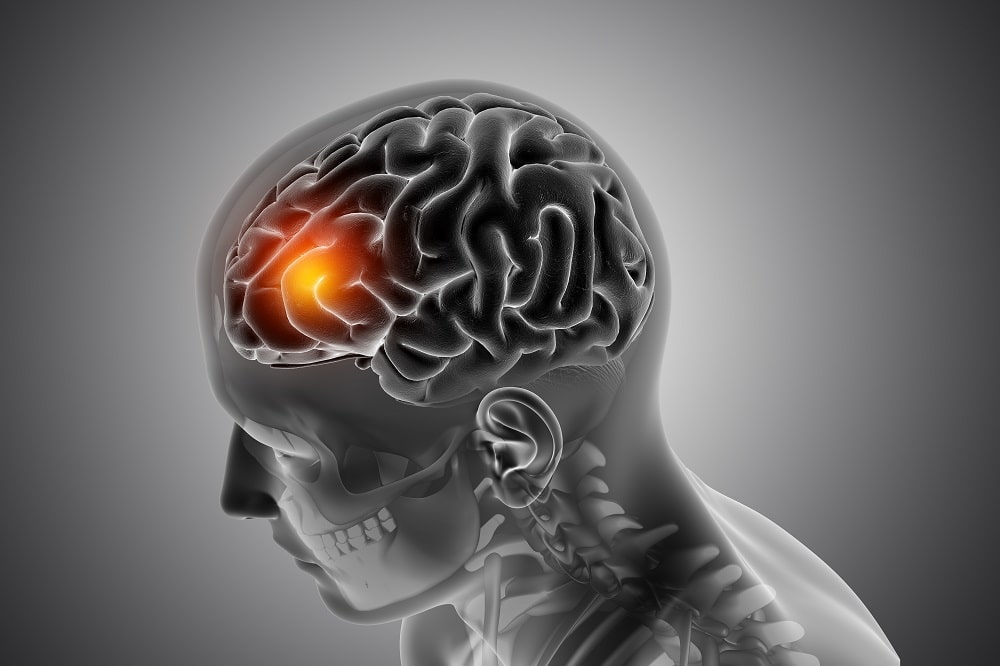
When an adult suffers a stroke , it is most often due to factors such as high blood pressure, high cholesterol, or arteriosclerosis. In a child, these causes are practically nonexistent. Childhood stroke has its own causes, which are highly varied and in many cases related to diseases of the heart, blood, or the blood vessels themselves.
Understanding the causes of stroke in children is fundamental to preventing a second episode and to guiding treatment and rehabilitation.
Main causes of ischemic stroke in children
1. Congenital heart disease
Heart defects are the most common cause of ischemic stroke in children. A heart with structural abnormalities can produce blood clots that travel through the bloodstream to the brain and block an artery. Among the heart conditions most associated with childhood stroke are atrial septal defects, aortic stenosis, and certain valvular heart diseases.
2. Sickle cell anemia (sickling cell disease)
Sickle cell anemia is the single most common cause of stroke in children in many countries. In this inherited disease, red blood cells have an abnormal shape that prevents them from flowing properly through blood vessels, potentially blocking them. The brain is one of the organs most frequently affected.
3. Cerebral arteriopathies
Cerebral artery diseases, such as transient focal arteriopathy, moyamoya disease, or cerebral vasculitis, weaken or narrow the blood vessels in the brain, increasing the risk of blockage or rupture. Moyamoya disease, although rare, is a significant cause of recurrent stroke in children.
4. Hereditary thrombophilias
Thrombophilias are disorders of blood clotting mechanisms that promote clot formation. Some are hereditary and may go undetected until a stroke or other thromboembolic event occurs. Protein C deficiency, factor V Leiden mutation, and antiphospholipid syndrome are relevant examples.
5. Infections of the central nervous system
Bacterial meningitis, viral encephalitis, and, in some cases, chickenpox can inflame blood vessels in the brain and cause a stroke. Chickenpox is a recognized cause of ischemic stroke in young children, especially in the months following infection.
Main causes of hemorrhagic stroke in children
1. Arteriovenous malformations (AVMs)
AVMs are abnormal connections between arteries and veins in the brain that can rupture and cause bleeding in the brain. They are the most common cause of hemorrhagic stroke in children and can be present from birth without causing symptoms until bleeding occurs.
2. Cerebral aneurysms
Although less common in children than in adults, aneurysms (dilations in the wall of an artery) can rupture causing a subarachnoid hemorrhage, which is an extremely serious medical emergency.
3. Coagulation disorders
Conditions such as hemophilia or thrombocytopenia (low platelet count) increase the risk of brain bleeding. The use of anticoagulants can also increase this risk in children taking them for other illnesses.
Risk factors that should be monitored in children
| Risk factors for childhood stroke that parents and pediatricians should be aware of : • Diagnosed or undiagnosed congenital heart disease • Family history of stroke at a young age or thrombophilia • Diagnosis of sickle cell anemia • Frequent migraine with aura, beginning in childhood • Recent CNS infections (meningitis, encephalitis, chickenpox) • Previous head trauma • High blood pressure secondary to kidney disease or other causes • Use of hormonal contraceptives in adolescents |
Can childhood stroke be prevented?
In many cases, the first stroke cannot be prevented because the underlying cause was unknown. However, once diagnosed, treating the cause (for example, corrective heart surgery, treatment for sickle cell anemia, or anticoagulation for thrombophilias) can prevent a second stroke.
Follow-up by a neuropediatrician and a specialized neurorehabilitation team is essential to control risk factors and facilitate the best possible recovery.