


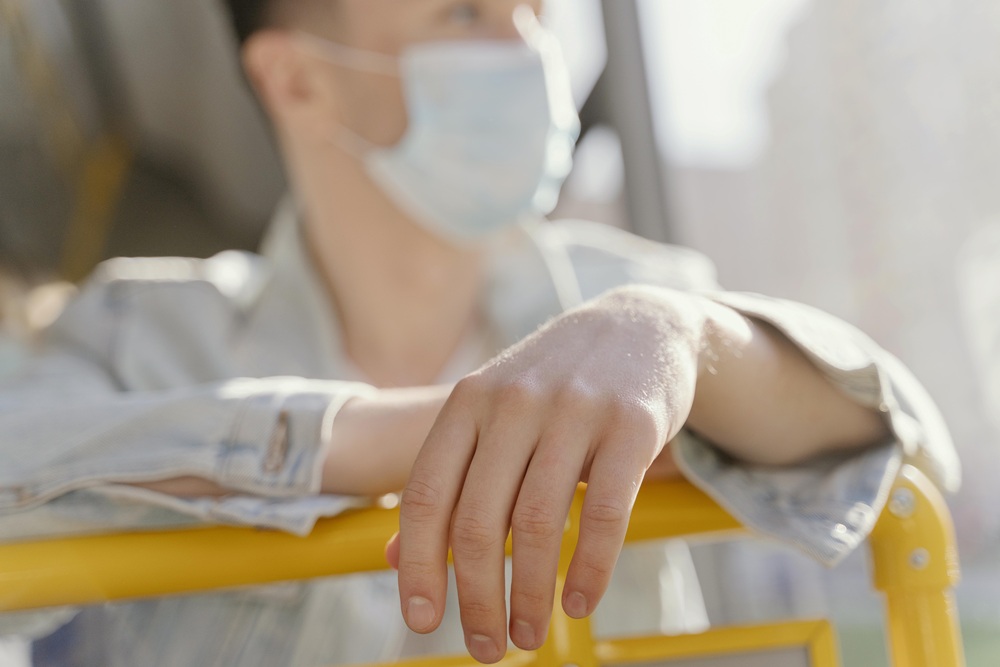
Cancer doesn’t just attack the organ or tissue where it originates. Its effects extend to the nervous, muscular, and articular systems, and the treatments themselves—chemotherapy, radiotherapy, surgery—can cause a significant loss of mobility, strength, and coordination. For many patients, regaining the ability to move independently is one of the greatest challenges of the cancer process.
The good news is that physical and neurological rehabilitation during and after cancer treatment has been shown to substantially improve quality of life, reduce fatigue, and accelerate functional recovery.
Why does cancer affect mobility?
Chemotherapy-induced peripheral neuropathy
One of the most common side effects of chemotherapy is peripheral neuropathy: damage to the peripheral nerves that causes tingling, numbness, weakness, and loss of balance in the hands and feet. It can make walking, buttoning clothes, or holding objects extremely difficult.
Cancer fatigue
Cancer-related fatigue is different from normal tiredness: it is not relieved by rest and can be so intense that it prevents even the most basic activities. It is one of the main causes of reduced mobility in cancer patients.
Neurological sequelae of CNS tumors
Brain or spinal cord tumors, as well as metastases in the central nervous system, can cause hemiparesis, paraparesis, ataxia, aphasia, or other neurological sequelae that require specialized neurorehabilitation.
Effects of surgery and radiotherapy
Cancer surgery can damage nerves or muscles, limit joint range of motion, or cause scarring that restricts mobility. Radiation therapy can lead to tissue fibrosis, lymphedema, and secondary neurological damage.
Mobility rehabilitation in cancer patients
Cancer rehabilitation is a specialty that combines physiotherapy, occupational therapy, speech therapy, and neurorehabilitation adapted to the specific needs of the patient at each stage of the cancer process:
During treatment (active phase)
- Adapted therapeutic exercise to maintain strength and prevent functional decline
- Treatment of peripheral neuropathy: sensory stimulation, balance and coordination exercises
- Lymphedema management using manual lymphatic drainage and compression bandaging
- Energy-saving techniques for managing cancer fatigue
After treatment (recovery phase)
- Recovery of muscle strength and physical endurance
- Gait and balance retraining
- Upper limb rehabilitation: recovery of arm and hand function
- Occupational therapy to reintegrate into daily living and work activities
| When should cancer rehabilitation begin? • As soon as possible: ideally from diagnosis, not just after treatment ends. • Exercise during chemotherapy reduces fatigue and improves prognosis. • Early rehabilitation prevents functional decline and shortens recovery time. • At Rehabot, we adapt the program to each phase of cancer treatment. |
Neurorehabilitation in brain tumors and metastases
When cancer affects the brain—whether from a primary tumor like glioblastoma or from metastasis of another origin—the neurological sequelae can be similar to those of a stroke : hemiplegia, aphasia, ataxia, cognitive problems, or swallowing difficulties. The neurorehabilitation approach is practically the same as for acquired brain injury, with the necessary adaptations for the patient’s oncological condition.
The role of the physiotherapist specializing in oncology
Not all physiotherapists are prepared to work with cancer patients. It is essential to have professionals trained in oncology rehabilitation who understand the side effects of each treatment, the contraindications of exercise according to the patient’s condition, and how to adapt the intensity of the work based on the tests and clinical situation.
At Rehabot , our team works in close coordination with oncologists to design safe, effective rehabilitation programs tailored to each patient.