


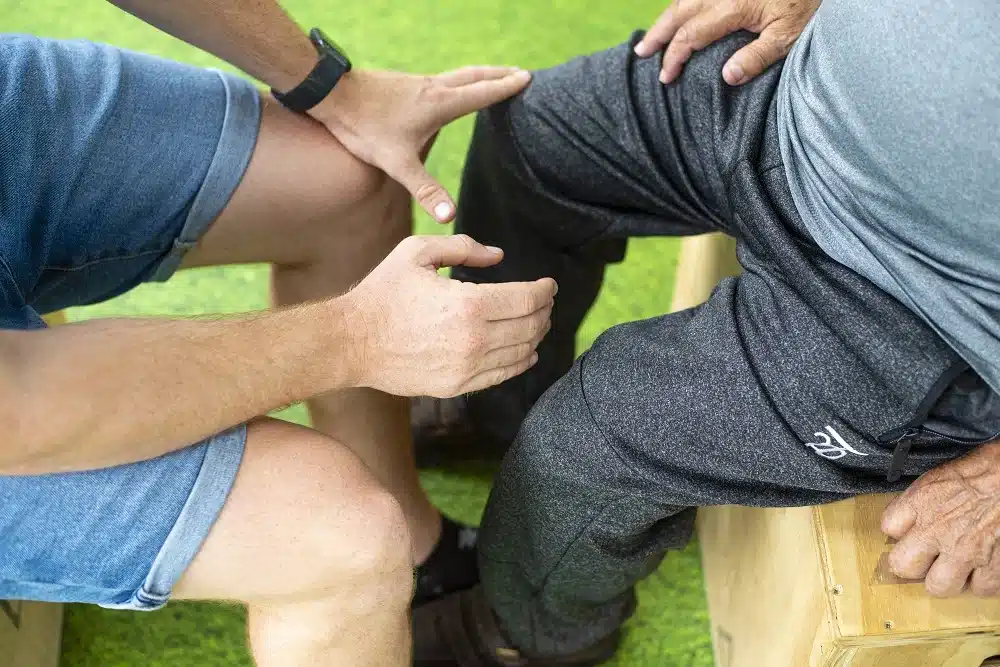
Neurological rehabilitation for Parkinson’s disease is a set of specialized therapies designed to improve mobility, communication, and independence in patients with this neurodegenerative condition. Through a comprehensive and personalized approach, these interventions aim to slow the progression of symptoms and enhance independence in daily life.
In this article you will discover how neurological rehabilitation can transform the lives of people with Parkinson’s, which therapies are the most effective, and how our team at Rehabot can support you in this process.
What is Parkinson’s Disease and How Does It Affect the Patient?
Parkinson ‘s disease is a neurodegenerative disorder that primarily affects the brain’s dopaminergic system. This alteration causes a range of motor symptoms that significantly impact the patient’s daily life.
- Resting tremors: involuntary movements, especially in the hands and limbs.
- Muscle stiffness: constant tension in the muscles that makes movement difficult.
- Bradykinesia: progressive slowness in the execution of movements.
- Alterations in gait and balance: increasing the risk of falls.
In addition to motor symptoms, Parkinson’s disease can also cause non-motor symptoms such as depression, anxiety, sleep disorders, and cognitive problems. Therefore, neurological rehabilitation for Parkinson’s disease must address the patient holistically.
Why is neurological rehabilitation effective in patients with Parkinson’s disease?
Although there is currently no cure for Parkinson’s disease, neurological rehabilitation has been scientifically proven to be effective in:
- Improve the patient’s motor function and overall mobility.
- Reduce the risk of falls and associated injuries.
- Slow the progression of symptoms.
- Promote autonomy in daily living activities.
- Improve emotional well-being and quality of life.
The key lies in a personalized neurological rehabilitation program that combines different therapies adapted to the specific needs of each Parkinson’s patient.
Therapeutic Strategies in the Neurological Rehabilitation of Parkinson’s Disease
A comprehensive neurological rehabilitation program for Parkinson’s disease integrates multiple disciplines working in a coordinated manner. These are the main therapies that have demonstrated the strongest scientific evidence:
1. Physical Therapy for Parkinson’s
Physical therapy is one of the cornerstones of neurological rehabilitation for Parkinson’s disease. It focuses on improving mobility, strengthening muscles, and optimizing balance and coordination.
Specific exercises for Parkinson’s disease include gait training, stretching techniques, strength exercises, and fall prevention programs. These interventions help patients maintain their independence in daily activities for longer.
2. Occupational Therapy
Occupational therapy focuses on regaining and maintaining the skills needed to perform daily activities such as dressing, cooking, writing, or using utensils. Occupational therapists teach adaptive techniques and recommend assistive devices that promote independence for patients with Parkinson’s disease.
3. Speech and Language Therapy
Many Parkinson’s patients experience difficulty speaking clearly, projecting their voice, or swallowing properly. Speech and language therapy works to strengthen the muscles involved in speech, improve articulation, and provide strategies for more effective communication in daily life.
4. Cognitive Therapy
Parkinson’s disease can affect cognitive functions such as memory, attention, and problem-solving abilities. Cognitive therapy uses specific exercises and techniques to stimulate mental functions, keep the mind active, and help patients cope with the cognitive challenges associated with the disease.
5. Deep Brain Stimulation (DBS)
In the most advanced cases of Parkinson’s disease, deep brain stimulation (DBS) can be considered a complementary therapeutic option. This procedure involves implanting electrodes in specific areas of the brain which, when electrically stimulated, help to significantly reduce motor and non-motor symptoms.
6. Psychological and Emotional Support
The emotional impact of Parkinson’s disease should not be underestimated. Anxiety, depression, and stress are common in both patients and their families. Appropriate psychological support within the neurological rehabilitation program is essential for coping with emotional challenges and maintaining a positive attitude throughout the process.
Benefits of a Comprehensive Approach to Neurological Rehabilitation of Parkinson’s Disease
Combining these therapies within a comprehensive neurological rehabilitation program offers superior results compared to isolated treatments. A multidisciplinary approach allows for addressing the Parkinson’s patient’s needs from all dimensions: physical, cognitive, communicative, and emotional.
Patients who participate in comprehensive neurological rehabilitation programs experience significant improvements in their quality of life, greater autonomy in daily activities, a reduced risk of falls, and an improved overall emotional state.
Neurological Rehabilitation for Parkinson’s at Rehabot
At Rehabot, we have a team of highly trained neurological rehabilitation specialists to support Parkinson’s patients at every stage of their journey. Our approach is holistic and personalized , meaning we design a unique treatment plan tailored to each individual’s needs, goals, and circumstances.
Our goal is to improve your quality of life, promote your autonomy, and help you face the challenges of Parkinson’s with as much confidence and strength as possible.
Do you or a loved one suffer from Parkinson’s disease?
Don’t hesitate to consult our neurological rehabilitation experts . Together, we will work to improve your well-being and help you face this condition with the best professional support.
Leave us your data to start your treatment