


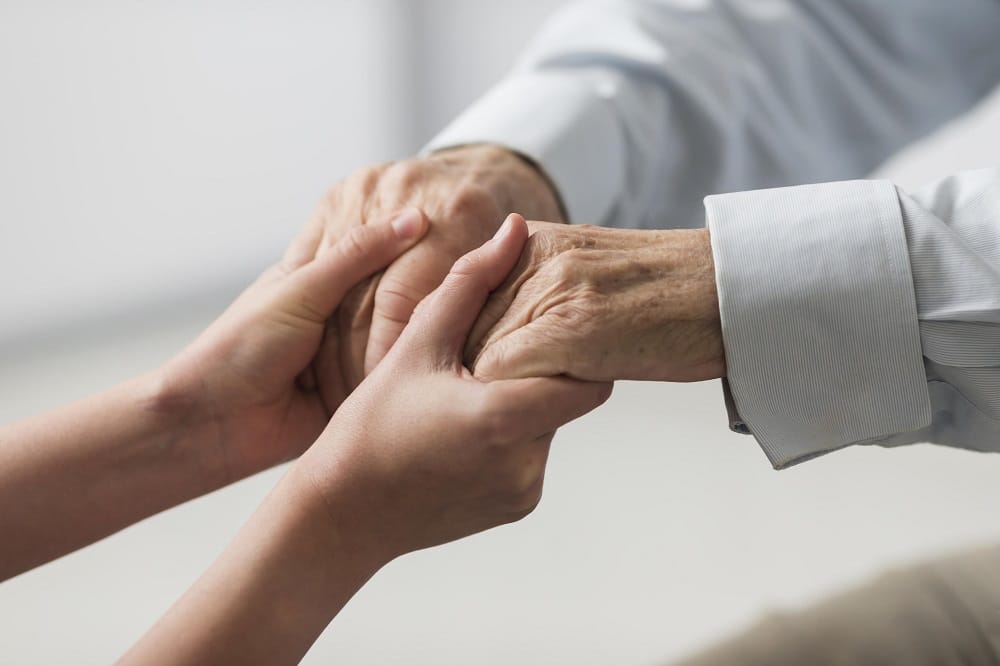
Do you remember the last time you dressed yourself, made your favorite coffee, or simply brushed your teeth without a second thought? After a stroke , these simple actions can become enormous challenges. But there’s a specialist dedicated to precisely this: helping you regain your independence in the activities that truly matter in your daily life.
Occupational therapy is a fundamental component of post-stroke rehabilitation, focusing on helping you regain your ability to perform the everyday activities that define your life: eating, dressing, bathing, working, cooking, or enjoying your hobbies. While physical therapy works on overall body movement, occupational therapy transforms that movement into useful and purposeful actions . The occupational therapist assesses which activities you have lost or have difficulty performing and designs personalized exercises and strategies so you can regain them or find new ways to do them.
The results of occupational therapy for stroke patients are clear: greater independence, recovery of function in arms and hands, improved ability to perform complex tasks, and above all, the chance to feel like yourself again. The sooner you start, the more effective your recovery will be.
What exactly does an occupational therapist do after a stroke?
Imagine your daily life as a thousand-piece jigsaw puzzle. Each piece represents something you do: from basic things like taking a bath to more complex things like driving again or using a computer. After a stroke, many of those pieces have become jumbled or missing.
An occupational therapist is like an expert at putting that puzzle together with you. They not only help you find the missing pieces, but also teach you new ways to fit them together if the old way no longer works.
His work in post-stroke rehabilitation includes:
- Evaluate which activities you can do and which ones you need to catch up on.
- Design specific exercises to improve the function of your arms and hands
- Teach you compensatory techniques when something cannot be fully recovered
- Adapt your home and tools to make you more independent
- Work on your cognitive abilities (memory, attention, planning) applied to real-world tasks
- Helping you return to your job or find new, meaningful occupations
The key areas that occupational therapy addresses
Recovery of arm and hand function
One of the most common problems after a stroke is the loss of mobility and strength in an arm, especially the hand. This is devastating because we use our hands for absolutely everything.
Occupational therapy uses progressive exercises and functional activities to recover:
- The ability to grasp and release objects
- The coordination between both hands
- Fine motor skills such as writing, buttoning buttons, or using cutlery
- The strength to hold and manipulate objects
- Tactile sensitivity in the fingers
The important thing is that these exercises aren’t repetitive and boring. They’re done through activities that are meaningful to you: preparing a meal, fixing something, playing board games, or anything that motivates you.
Activities of daily living (ADL)
This is the heart of occupational therapy. It focuses on all the activities you need to be independent:
Personal care:
- Dressing and undressing
- Bathing and showering safely
- Comb your hair and brush your teeth
- Going to the bathroom independently
- Eating and drinking without assistance
Household activities:
- Prepare simple meals
- Clean and tidy
- Wash the clothes
- Make the purchase
- Handling money and documents
Productivity:
- Return to your job, adapting it if necessary.
- Use your computer, tablet or mobile phone
- Driving (when safe and possible)
- Manage your schedule and commitments
Leisure and social participation:
- Get back to your hobbies
- Going out with friends and family
- Participate in community activities
Applied cognitive function
A stroke can affect your memory, attention, ability to plan, or problem-solving skills. Occupational therapy doesn’t work on these functions in isolation, but rather by applying them to real-life situations.
For example, if you have memory problems, you won’t just do general memory exercises. You’ll learn specific strategies for remembering to take your medication, where you left your keys, or the steps to prepare your breakfast.
Techniques and tools we use in post-stroke rehabilitation
Task-based training
This is the foundation of modern occupational therapy. It involves practicing the exact activities you want to regain, repeatedly and progressively. If your goal is to cook again, you’ll cook in therapy, starting with simple tasks and moving on to more complex recipes.
Constraint-induced movement therapy on the unaffected side
This technique is used when one side of the body functions well but the other is affected. It involves limiting the use of the healthy side to force the brain to use and recover the affected side. It is very effective but requires professional supervision.
Assistive technology and adaptations
Sometimes, modifying the environment or using assistive technology makes the difference between depending on others and being independent:
- Cutlery adapted for eating with one hand
- Grab bars in the bathroom
- Shower seats
- Buttonholes and long shoehorns
- Non-slip boards
- Mobile apps for reminders
Virtual reality and robotics
At Rehabot, we incorporate advanced technology that makes post-stroke rehabilitation more effective and motivating. Virtual reality systems simulate everyday activities, and robots help restore arm and hand movement with personalized exercises.
When should occupational therapy begin and how long does it last?
The short answer: the sooner, the better. Ideally, occupational therapy should begin in the first few days after a stroke, while you’re still in the hospital. However, it’s never too late to start. Even months or years after a stroke, occupational therapy can help you improve.
The duration depends on several factors:
- The severity of the stroke
- The affected areas
- Your personal goals
- Your response to treatment
- Your motivation and perseverance
Some patients require intensive therapy for several months, while others continue with long-term maintenance sessions. The important thing is that the plan is tailored to your needs and evolves with you.
Frequently asked questions about post-stroke occupational therapy
Is it the same as physical therapy? No. Physical therapy focuses on general movement, gait, and balance. Occupational therapy focuses on using that movement to perform purposeful activities in your daily life.
Can I fully regain the use of my arm? It depends on the severity of the injury, but many patients achieve significant recovery. Even if you don’t regain 100%, you will learn strategies to be functional and independent.
Are the sessions at the clinic or can they be at home? Both options are valid. At the clinic, we have all the necessary equipment, but we also offer in-home sessions to adapt to your real environment and work within your everyday context.
Do I need occupational therapy if I’m already doing physical therapy? Yes, they’re complementary. Physical therapy helps you move better, and occupational therapy helps you use that movement to live better.
Your independence is closer than you think.
Regaining your independence after a stroke doesn’t happen overnight, but with the right occupational therapy, you’ll be one step closer every day to doing the things you love again. It’s not just about movement and exercises; it’s about reclaiming your life, your identity, and your independence.
At Rehabot , our occupational therapists specializing in post-stroke rehabilitation design personalized programs tailored to your needs, goals, and pace. We combine the most effective techniques with cutting-edge technology to maximize your recovery.
Are you ready to regain your independence? Every day counts in your rehabilitation. Contact us today and let’s start working together on the activities that truly matter to you. Your occupational therapist is waiting to help you write the next chapter of your life.
Request your first assessment and discover everything you can do again.
Leave us your data to start your treatment